


Winning big: myths and facts about casino gambling

Understanding the House Edge
The concept of the house edge is crucial when discussing casino gambling. The house edge refers to the built-in advantage that the casino has over the players, ensuring that over time, the casino generates a profit. This percentage can vary significantly depending on the game; for instance, slot machines often have a higher house edge compared to table games like blackjack or poker. Players enjoying payid pokies australia must recognize that while luck plays a vital role, the inherent structure of these games means that winning consistently is improbable.
Moreover, it is essential to understand that the house edge does not mean that players cannot win in the short term. There are instances where individuals experience a winning streak, but these are often anomalies rather than the norm. The longer a player engages in gambling, the more likely they will encounter the house edge in action, resulting in losses that outweigh their winnings. Thus, players should enter the casino with the understanding that the odds are formulated to favor the establishment.
While some may believe that they can outsmart the house edge through strategies or systems, reality suggests otherwise. Casinos leverage sophisticated algorithms and probabilities to ensure that the odds are structured to their benefit. Therefore, it is crucial for players to approach gambling as a form of entertainment rather than a surefire way to earn money. Awareness of the house edge can lead to more informed and responsible gambling practices, enabling players to enjoy the experience without unrealistic expectations.
Debunking the Lucky Charm Myth
An enduring myth within gambling circles is the belief in lucky charms or rituals that can influence the outcome of games. Many players carry specific items or perform particular actions, convinced that these superstitions will improve their chances of winning. From wearing lucky socks to saying a mantra before throwing dice, the allure of these charms can be incredibly strong, creating a personal connection to the experience.
However, it is critical to understand that casino games are primarily based on random chance and probability. For instance, slot machines employ Random Number Generators (RNG) to determine outcomes, effectively eliminating any influence that superstitions might suggest. While rituals may provide psychological comfort or enhance the entertainment aspect of gambling, they do not change the statistical reality of the games involved. Therefore, players should recognize that luck is not something that can be summoned through charms.
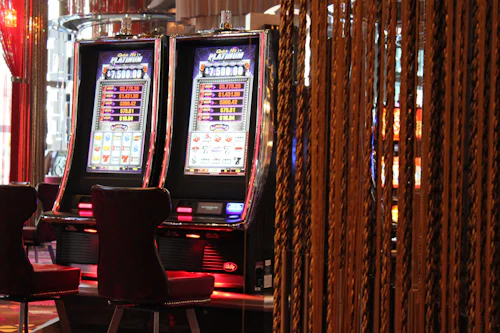
In addition, relying on lucky charms could detract from a player’s overall strategy and decision-making. Instead of focusing on meaningful gameplay strategies, players may become preoccupied with rituals that have no bearing on their success at the tables. This preoccupation can lead to poor financial choices or extended gambling sessions. Emphasizing rational thinking and evidence-based strategies will generally yield better results than attributing wins or losses to the whims of fortune, ultimately leading to a more fulfilling gambling experience.
The Role of Skill in Certain Games
While many casino games are based on luck, others incorporate a significant element of skill. Games like poker, blackjack, and sports betting allow players to influence outcomes through strategic decision-making and game understanding. A skilled poker player can capitalize on their knowledge of probability, psychology, and game theory to gain an advantage over opponents, making skill an integral part of their success.
For instance, in blackjack, players can utilize strategies such as card counting to improve their chances of winning. Understanding when to hit or stand based on the dealer’s upcard can impact game outcomes. However, it’s worth noting that while these skills can enhance a player’s chances, they do not guarantee victories. Even the best players will experience losses due to the inherent uncertainties of gambling, underscoring the importance of managing expectations.
It is also essential to recognize that skill-based games often come with a higher learning curve. Players who engage in games requiring skill must invest time in mastering strategies and techniques, which can be both challenging and rewarding. As such, those seeking to enter skill-driven games should be prepared for a blend of learning and practical experience to develop their capabilities. Ultimately, skill matters, especially in certain games, but randomness will always play a role in the casino’s environment, making it a blend of luck and skill.
The Illusion of Control and Hot Streaks
A common misconception among many gamblers is the belief in having control over winning streaks or experiencing ‘hot tables’ where luck seems to favor a player. This idea can create an illusion of control, leading players to think that their betting patterns or timing are directly correlated with their success. It often leads to impulsive betting behavior or chasing losses, where players feel compelled to continue gambling despite previous outcomes.

The reality, however, is grounded in randomness and probability. While it is not uncommon for players to experience periods of success, these ‘hot’ moments are typically short-lived and statistically fleeting. Research has shown that gambling outcomes are inherently unpredictable, defined by chance rather than skill or timing. Players must resist the urge to chase these fleeting moments, as this often leads to increased losses rather than securing future wins.
Moreover, the psychological aspect of gambling can amplify the belief in control. Cognitive biases, such as cognitive dissonance, may lead players to ignore evidence contradicting their beliefs about control. Understanding that casino outcomes are fundamentally random can help mitigate the emotional rollercoaster that often accompanies gambling. Acknowledging the nature of chance can promote a more balanced and responsible approach to gambling while enhancing the overall enjoyment of the experience.
Gambling Responsibly: Navigating the Myths
Understanding the various myths surrounding casino gambling can significantly enhance a player’s experience and promote responsible gambling practices. Gambling can be an enjoyable pastime when approached correctly; however, losing sight of the realities can lead to detrimental consequences. Players should be aware of the risks involved and set limits on both time and money spent in a casino environment, ensuring that they do not exceed their financial comfort zones.
Additionally, continual education on the probabilities and rules of the games being played serves as a foundational element for responsible gambling. By arming oneself with knowledge, players can make informed decisions that enhance their overall experience while minimizing financial risks. Whether one is playing for fun or aiming for a more strategic approach, understanding the game’s dynamics is paramount to navigating the gambling landscape successfully, allowing for a more enjoyable experience.
Moreover, it’s essential for players to recognize that the thrill of gambling should stem from enjoyment rather than the pursuit of monetary gain. Creating a budget and adhering to it, seeking help if gambling becomes problematic, and participating in responsible gaming initiatives can contribute to a healthier gambling culture. Understanding and debunking myths associated with casino gambling fosters a more enjoyable and less risky experience for all involved, helping to create a positive environment for players.